
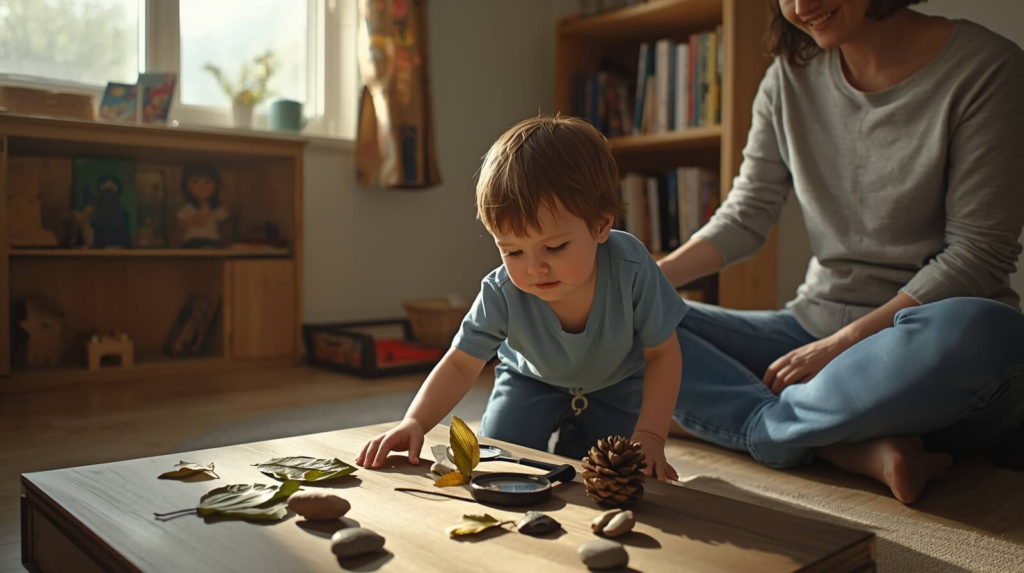
How Curiosity in Your Child Builds Critical Thinking and a Love of Learning
TLDR (Parental Notes)
- Children are born curious, and a child’s natural curiosity helps young children explore new things and ask many questions about the world around them.
- Research in child development shows curiosity grows when adults ask open-ended questions and encourage children to explore their natural interests.
- Curious children learn by exploring new and exciting experiences—whether in the classroom, outdoors, or during everyday moments.
- Parents can cultivate curiosity by letting their child explore ideas, ask questions, and search for answers independently.
- When adults nurture curiosity and spend time encouraging exploration, every child develops a stronger learning mindset and confidence to thrive.
Why Every Child’s Natural Curiosity Drives Early Learning and Exploration
Curiosity is one of the most powerful forces driving how a child learns. From the earliest years of life, children are naturally curious about the world around them. They ask questions, explore objects, and experiment with new ideas as they try to understand how things work.
These moments of exploration are more than simple play. Curiosity helps children build critical thinking skills because it encourages them to observe, ask questions, and search for answers. When curious children investigate their surroundings, they begin developing the learning habits that support problem-solving and independent thinking.
Researchers have long recognized that curiosity plays a key role in cognitive development. When a child feels curious, the brain becomes more engaged and motivated to learn. This natural motivation encourages children to explore ideas more deeply and remember what they discover.
For parents, supporting curiosity does not require complex lessons or structured activities. Often, the most effective approach is simply allowing children time to explore, ask questions, and investigate their environment. These everyday moments of discovery help curious children develop the critical thinking skills and love of learning that support growth throughout life.
Why Curiosity Encourages Children to Think and Ask Questions
Children naturally try to understand the world by observing what happens around them. When they encounter something unfamiliar, they often pause, think about what they see, and begin asking questions. These moments of questioning are an important part of how thinking skills develop.
Asking questions helps children organize their thoughts and consider different possibilities. A simple question such as “Why did that happen?” encourages them to slow down and think about cause and effect. This process helps strengthen reasoning and early critical thinking abilities.
Exploration also supports this process. When children investigate an idea or test how something works, they gather information and compare outcomes. Each attempt gives them another opportunity to think about what might happen next and why.
Over time, these moments of questioning and investigation help children become more confident thinkers. They learn that asking questions is a valuable way to understand new situations and solve challenges.
For parents and educators, supporting this process can be as simple as allowing time for children to think through their questions instead of immediately providing answers.
Why Curiosity Encourages Children to Think and Ask Questions
Children naturally try to understand the world by observing what happens around them. When they encounter something unfamiliar, they often pause, think about what they see, and begin asking questions. These moments of questioning are an important part of how thinking skills develop.
Asking questions helps children organize their thoughts and consider different possibilities. A simple question such as “Why did that happen?” encourages them to slow down and think about cause and effect. This process helps strengthen reasoning and early critical thinking abilities.
Exploration also supports this process. When children investigate an idea or test how something works, they gather information and compare outcomes. Each attempt gives them another opportunity to think about what might happen next and why.
Over time, these moments of questioning and investigation help children become more confident thinkers. They learn that asking questions is a valuable way to understand new situations and solve challenges.
For parents and educators, supporting this process can be as simple as allowing time for children to think through their questions instead of immediately providing answers.
How Exploration Helps Children Develop Critical Thinking Skills
Exploration plays an important role in helping children develop stronger thinking skills. When children investigate their surroundings and experiment with ideas, they naturally begin asking questions about what they observe.
These moments of discovery encourage children to think more carefully about how things work. Instead of simply accepting information, they begin forming their own explanations and testing their ideas through exploration.
For example, a child building a structure with blocks may ask questions about why a tower falls or how to make it stronger. Each attempt encourages them to observe results, think about possible changes, and try again.
This process helps develop early critical thinking abilities. Children learn that exploration often leads to new questions, and each question creates another opportunity to think and learn.
Parents and educators can support this process by encouraging exploration and allowing time for children to investigate their ideas. When adults encourage thoughtful questioning and curiosity-driven exploration, children gain confidence in their ability to understand and solve problems.
How Parents Can Encourage Curiosity and Exploration in Everyday Life
Parents play an important role in helping young learners develop strong thinking habits. Every day moments often provide simple opportunities to encourage exploration and thoughtful questioning.
Instead of immediately giving answers, adults can encourage children to pause and think about possible explanations. When a child notices something unusual or interesting, parents can respond with prompts such as “What do you think is happening?” or “Why do you think that worked?”
These types of responses encourage children to think more deeply about their observations. Asking guiding questions allows them to consider different possibilities and build confidence in their own reasoning.
Exploration can also be supported through simple activities such as building with materials, observing nature, or experimenting with how objects interact. Each activity encourages investigation and creates new opportunities for questions and discovery.
When adults encourage exploration and thoughtful questioning, children begin to see that learning is not only about finding answers. It is also about thinking through ideas, testing possibilities, and understanding how the world works.
Why Encouraging Questions Helps Children Develop Lifelong Thinking Skills
Encouraging questions helps young learners develop the habits that support strong reasoning and independent thinking. When adults encourage children to ask questions about what they observe, it creates opportunities to think more carefully about how and why things happen.
Questions often lead to exploration. A simple moment of curiosity—such as wondering why something moves, grows, or changes—can encourage children to observe more closely and think about possible explanations. These moments help strengthen critical thinking because children begin comparing ideas and considering different possibilities.
Parents and educators can support this process by encouraging thoughtful questions during everyday activities. Asking prompts such as “What do you think will happen next?” or “Why do you think that worked?” helps guide exploration without immediately providing answers.
When adults encourage children to think through their questions and explore possible explanations, they help build confidence in reasoning and decision-making. Over time, these habits help children develop the thinking skills that support problem-solving and lifelong learning.
How Parents Can Nurture Curiosity in Young Children and Support Lifelong Learning
Curiosity plays an important role in how a child learns about the world. When parents nurture curiosity and encourage children to explore ideas, ask questions, and investigate how things work, they help curious children build stronger learning habits and confidence in their thinking.
These everyday moments of exploration support critical thinking because children begin to observe patterns, test ideas, and understand how their actions influence outcomes. Over time, encouraging exploration and thoughtful questioning helps children become more confident learners who enjoy discovering new ideas.
Parents do not need complicated lessons to support this process. Simply allowing children to explore their environment, investigate questions, and think through problems independently can strengthen the curiosity that drives learning and discovery.
Shared experiences and new environments can also shape how people stay curious about the world and the relationships they build over time.
At Lafleur Media, we believe that nurturing curiosity helps children grow into confident thinkers who explore ideas, ask questions, and develop a lifelong love of learning.