
Generalization — Helping Kids Use New Skills Everywhere
Generalization in ABA therapy is key! Discover how this behavior strategy helps children apply skills learned across settings for lasting success.
TL;DR (Parental Notes)
- Generalization in ABA therapy means using learned skills across different people, places, and situations.
- Without generalization, skills may stay limited to therapy sessions and not appear at home, school, or in the community.
- ABA therapists intentionally teach stimulus and response generalization to build flexibility and independence.
- Parents strengthen skill transfer by practicing during everyday routines and reinforcing success in natural environments.
- The goal of generalization is lasting confidence — not perfection — across real-world settings.
Why Skills Don’t Always Stick — And How ABA Helps Children Use Them Everywhere
Generalization in ABA therapy is the process that helps children use learned skills beyond the therapy room. In Applied Behavior Analysis (ABA), generalization transforms structured teaching into real-world independence by ensuring that communication, self-care, and social skills carry over across people, places, and situations. Without generalization, a child might master a behavior during therapy sessions but struggle to use that same skill at home, at school, or in the community.
Generalization in ABA therapy does not happen automatically. It must be intentionally taught, reinforced, and maintained across environments. ABA therapists plan for stimulus generalization (responding to similar cues in new settings) and response generalization (using related behaviors to achieve the same goal) so children can apply skills flexibly. Parents and caregivers play a central role in this process by practicing skills during daily routines and reinforcing progress in natural settings.
Research and clinical guidelines emphasize that true learning occurs when skills persist across time and environments — not just within structured sessions. When generalization is supported intentionally, children build confidence, independence, and resilience, turning therapy goals into meaningful, everyday success.
What Is Generalization in ABA?
Key Points (Parental Notes)
- Generalization in ABA therapy helps children apply skills across different settings, people, and activities.
- It ensures that skills learned in therapy become useful and consistent in real life.
- ABA therapists plan for generalization intentionally using stimulus and response generalization strategies.
- Parents and caregivers play a vital role in reinforcing learned skills outside the therapy room.

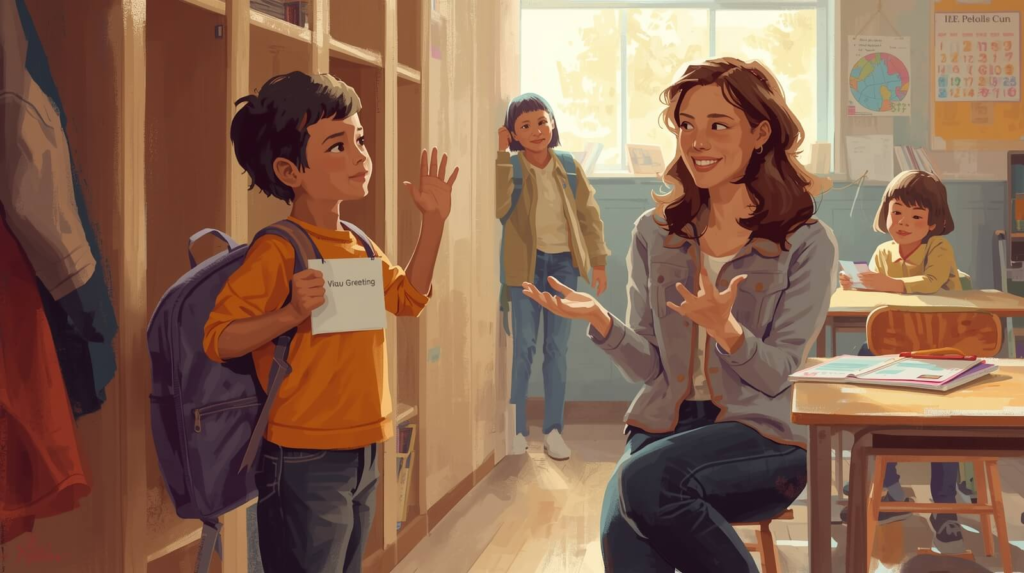
In Applied Behavior Analysis (ABA), generalization means helping children take what they’ve learned in structured sessions and apply it naturally in the world around them. For example, a child who learns to greet their therapist with “hello” can later use that same learned skill to greet a classmate, a sibling, or a neighbor. This ability to transfer knowledge shows that real learning has occurred.
Generalization in ABA therapy occurs through two main processes:
- Stimulus generalization — when a child performs the same behavior in response to different but similar cues (e.g., following directions from both parents and teachers).
- Response generalization — when a child uses different but related behaviors to achieve the same outcome (e.g., waving or saying “bye” to end a conversation).
Therapists and caregivers intentionally teach for generalization because without it, children risk being able to perform skills only in one specific context. ABA therapy builds flexibility and confidence by reinforcing skills in varied environments, using multiple examples, and involving different people.
As noted by the Association for Behavior Analysis International (ABAI) and the CDC, generalization is a key measure of successful ABA therapy, signaling that the child can maintain and use new behaviors independently across settings.
When parents and therapists collaborate to plan for generalization, therapy doesn’t end when a session does—it becomes part of the child’s daily life, creating lasting, meaningful progress.
Why Many Kids Struggle to Generalize Skills
Key Points (Parental Notes)
- Children often rely on specific environmental cues when learning new skills.
- Changes in setting, tone, or expectations can disrupt performance.
- Emotional regulation demands increase outside structured sessions.
- Executive function challenges may interfere with flexible skill use.
- Inconsistent reinforcement across environments weakens carryover.

For many children, especially those receiving Applied Behavior Analysis (ABA), learning a skill in one setting does not automatically mean it will appear in another. This isn’t resistance or defiance — it’s often a reflection of how learning becomes tied to specific cues.
In structured therapy environments, variables are controlled. The lighting is predictable, materials are consistent, and instructions follow familiar patterns. When a child moves into a new setting — like a classroom, playground, or grocery store — those cues shift. The brain must work harder to recognize that the same skill still applies.
Emotional regulation also plays a major role. Outside therapy, environments are less predictable. Background noise, peer interactions, time pressure, or transitions between activities can increase cognitive load. When the nervous system becomes taxed, previously mastered skills may temporarily disappear.
Executive function demands add another layer. Skills such as initiating communication, shifting attention, or adapting behavior require planning and flexibility. If those systems are still developing, skill transfer may feel inconsistent.
Reinforcement differences matter as well. If praise, feedback, or expectations vary between adults, children may struggle to understand when and how to use a learned behavior. Consistency across caregivers strengthens recognition that the skill “works” everywhere.
Children often need structured practice across multiple environments before skills feel automatic and flexible. With collaboration and repetition, what seems fragile at first becomes durable over time.
Teaching Strategies That Promote Generalization
Key Points (Parental Notes):
- Generalization depends on structured variation across environments, people, and materials.
- Applied behavior analysis (ABA) emphasizes flexible, natural teaching strategies to ensure learned skills last.
- Parents can promote cross-context learning through daily routines and consistent reinforcement strategies.
- Including maintenance practice early prevents skill loss over time.
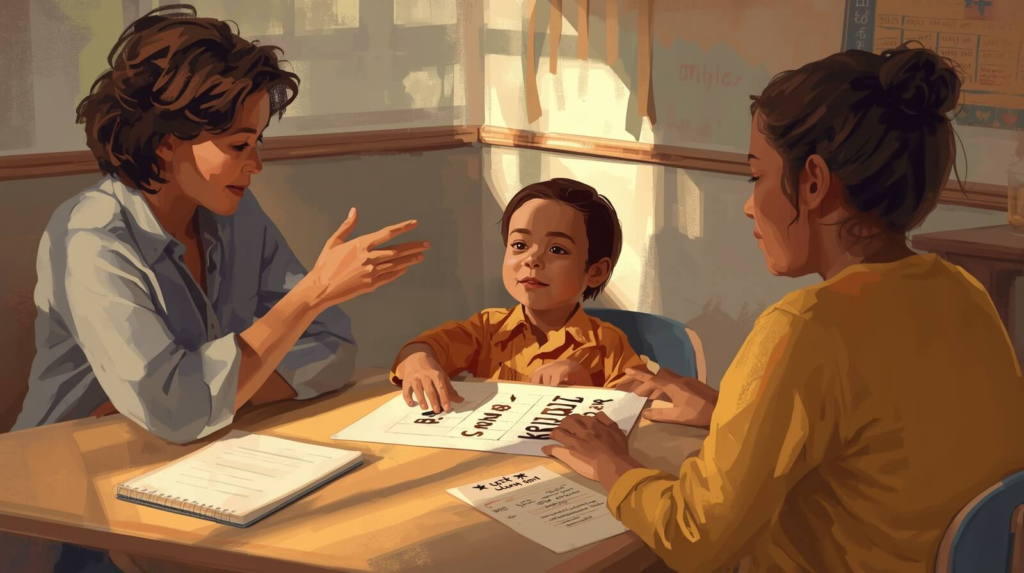
In applied behavior analysis (ABA), teaching a skill is only half the goal—the real test is whether a child can use that skill across different settings. This process, often called cross-context learning or skill transfer, requires structured planning and teamwork. For example, if a child learns to request a break in a therapy session, that same communication skill should also work in school, at home, and on the playground.
Therapists and caregivers promote generalization by intentionally varying the teaching environment. Instead of always practicing at a therapy table, they might move to a play area, kitchen, or classroom. This introduces new stimuli—different lighting, sounds, and materials—that strengthen the child’s ability to recognize when and how to use the skill. The process also incorporates both stimulus generalization (responding to similar cues) and response generalization (using new but related behaviors to reach the same outcome).
Reinforcement is key. When a child applies a learned behavior in a new setting, that effort should be immediately acknowledged through natural reinforcement—praise, play, or access to a favorite activity. Over time, these consistent responses teach that appropriate behaviors work across environments, not just in structured lessons.
The Behavior Analyst Certification Board (BACB) notes that long-term success in ABA depends on maintenance—continuing to practice mastered skills periodically so they stay strong. The Association for Science in Autism Treatment (ASAT) further emphasizes caregiver involvement, showing that parents who reinforce generalization at home see faster progress and fewer behavior setbacks.
Ultimately, teaching for generalization means preparing children for real-world flexibility—helping them carry what they’ve learned beyond therapy sessions and into everyday life with confidence.
Examples of Generalization in Daily Life
Key Points (Parental Notes):
- Generalization in ABA therapy is visible when skills learned in therapy appear naturally in daily routines.
- Real-world examples show whether a child can apply skills with new people and across different environments.
- Parents can track the generalization of skills through daily observations and positive reinforcement.
- Practicing in the natural environment supports maintenance and long-term independence.

The generalization of skills in applied behavior analysis becomes clear when a child starts using what they’ve learned outside the therapy setting. It’s one thing for a child to practice a communication skill during a structured ABA session — but the real breakthrough happens when that same skill shows up in the natural environment like home, school, or community spaces.
For example, a child who learns to request a break in therapy might later say “all done” during dinner when feeling overwhelmed. Another may begin to greet peers in class after learning turn-taking during play-based sessions. These moments prove that the skills learned in therapy are transferring across different settings with different people, showing flexibility and independence.
Generalization also occurs when new skills are applied spontaneously. A child might use deep breathing, a calming strategy first taught in therapy, while waiting in line at a store. This ability to apply skills without prompts is one of the strongest indicators of successful ABA implementation.
Parents can encourage these moments by reinforcing them immediately — through praise, a hug, or access to a preferred activity. Over time, these reinforcements strengthen the child’s understanding that appropriate behavior is valuable no matter where it happens.
According to Autism Speaks, maintaining progress requires families to continue practicing skills learned in therapy in daily life to prevent regression and encourage confidence. The Centers for Disease Control and Prevention (CDC) further highlights that consistent generalization practice helps children with autism maintain routines and communication across home and school environments.
Every wave, smile, or request outside therapy represents more than progress — it’s proof that the child’s learning is becoming part of their world, naturally and sustainably.
The Parent’s Role in Encouraging Generalization
Key Points (Parental Notes):
- Parents are essential partners in maintaining generalization of skills across real-life settings.
- Collaboration with ABA therapists ensures that skills learned in therapy continue in the natural environment.
- Consistency, modeling, and meaningful reinforcement help children apply skills independently.
- Tracking progress through notes or video clips supports communication between home and therapy teams.
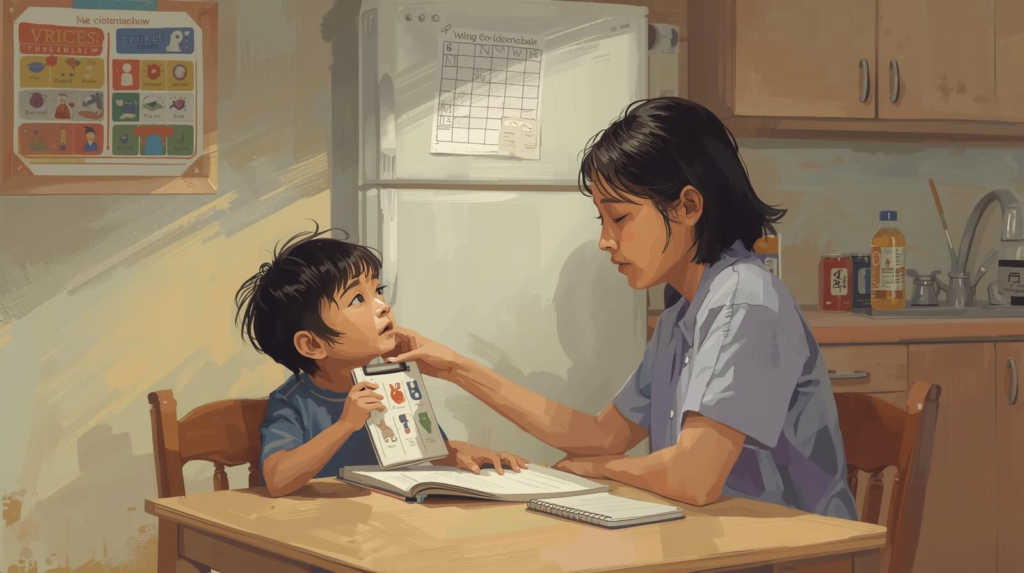
In Applied Behavior Analysis, parents play one of the most powerful roles in turning structured learning into lasting independence. Therapists may introduce a new communication or self-regulation skill, but it’s the parent’s day-to-day interaction that ensures generalization in ABA therapy actually sticks. When families reinforce and model behaviors across different settings, they help children understand that a skill isn’t just for therapy — it’s for life.
The most effective way to encourage generalization is through collaboration with your child’s ABA team. Ask your BCBA or RBT for specific examples of how to practice new skills during home routines — mealtimes, bedtime, or outings. By consistently reinforcing skills learned in therapy, parents strengthen both maintenance and confidence.
Modeling is another key strategy. When children observe caregivers calmly managing frustration, greeting others, or following directions, they naturally begin to apply skills they’ve learned to similar situations. Pairing these examples with natural reinforcement — such as praise, shared laughter, or a favorite activity — helps sustain motivation while keeping learning positive.
Data collection at home also plays a major role in ensuring continuity. Short notes, photos, or even video clips showing a child using new skills can provide invaluable insight to therapists. This shared record allows ABA professionals to adjust teaching strategies and celebrate real-world progress together.
According to the Behavior Analyst Certification Board (BACB), consistent family involvement is one of the most reliable predictors of long-term success in behavioral interventions. Similarly, Autism Speaks emphasizes that active parental participation helps maintain skills across different environments, reinforcing confidence and connection for children with autism.
When parents model, reinforce, and communicate progress, they transform therapy goals into daily victories — creating an environment where learning isn’t confined to sessions, but woven into the rhythm of family life.
Troubleshooting Common Challenges in Generalization
Key Points (Parental Notes):
- It’s common for children to struggle when applying skills in new environments.
- Parents and therapists can use structured supports to strengthen generalization of skills.
- Reinforcement, patience, and flexibility are key when skills don’t transfer automatically.
- The goal is progress, not perfection — consistency creates confidence.
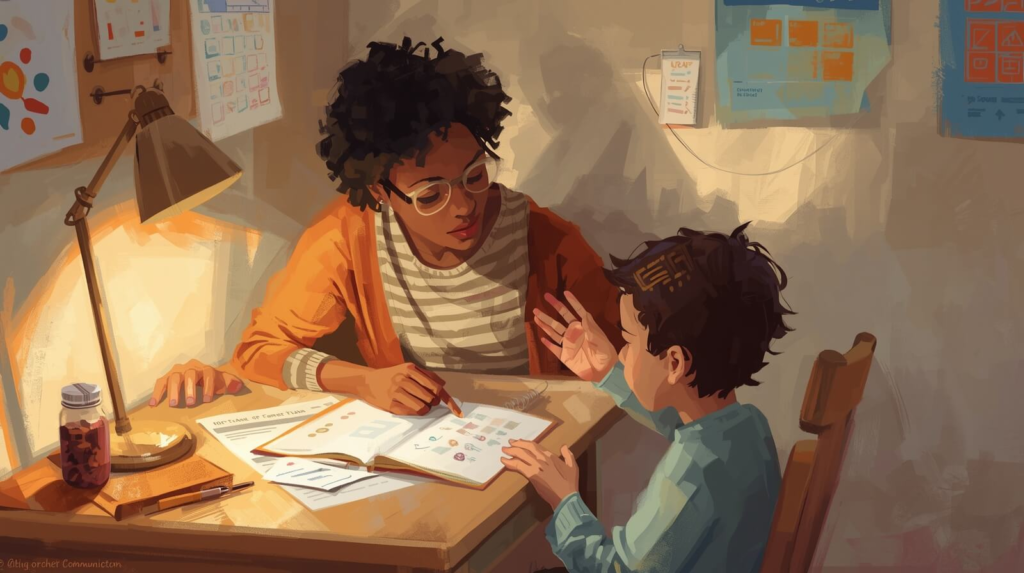
Even with strong progress in ABA therapy, many children face hurdles when trying to apply skills across different environments. A child may follow directions perfectly in therapy but freeze in a noisy classroom. These moments can be discouraging — but they’re a normal part of the generalization process. The key lies in identifying what’s getting in the way and adjusting support without pressure.
One of the most common challenges is environmental change. The skills learned in therapy are often practiced under controlled conditions with minimal distractions. At home or school, new sights, sounds, or social expectations can make it harder for children to respond consistently. To bridge this gap, therapists and parents can re-teach skills in the natural environment, gradually increasing distractions and people involved.
Another challenge arises when reinforcement systems differ. If a child receives praise from one caregiver but not another, the motivation to use the learned skill may fade. To prevent this, families should coordinate reinforcement strategies with their ABA team — ensuring that generalization in ABA therapy is supported across all caregivers.
Children with autism may also experience delays in recognizing that a learned skill applies to multiple settings. For example, understanding that “clean up toys” means the same thing at home, school, or daycare takes time and repetition. Using visual supports and clear, consistent language across environments helps strengthen those associations.
According to Autism Speaks and the Association for Behavior Analysis International (ABAI), progress happens through repetition, patience, and communication between families and professionals. Setbacks don’t mean failure — they’re data. Each barrier offers insight into how to improve teaching strategies and reinforce independence.
With teamwork, empathy, and clear feedback loops, parents and ABA therapists can turn obstacles into opportunities for growth — ensuring that generalization of skills continues steadily across home, school, and community life.
Parent Reflection — How Generalization Looks in Everyday Family Life
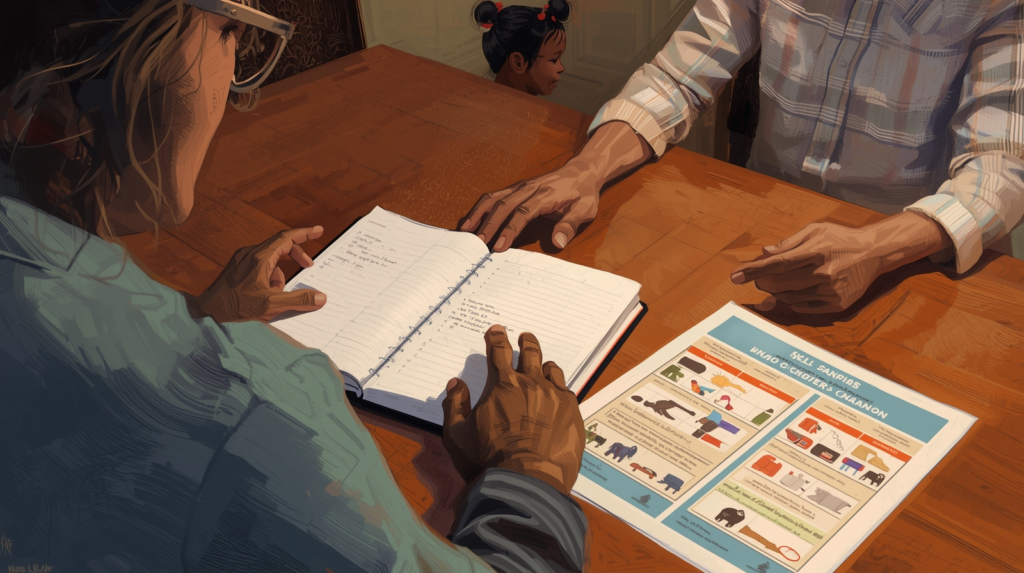
For months, my daughter mastered every task inside the therapy room — labeling colors, brushing her teeth, even asking for a snack using her AAC device. But outside that structured setting, everything changed. The skills learned in therapy seemed to disappear the moment we walked through our front door.
I remember feeling frustrated, wondering if all those hours of applied behavior analysis were working. Our BCBA explained what was really missing — generalization. The goal wasn’t just to teach a behavior, but to help her apply skills in different environments and with different people.
So, we started practicing small. At home, I became part of her learning team — turning chores, playtime, and outings into teaching moments. When she used a learned skill independently, like requesting “all done” during dinner instead of melting down, we celebrated with praise and laughter. Those tiny moments were proof that her progress was becoming real.
Over time, I saw her confidence grow. She began showing skills across different settings — greeting a neighbor, following instructions from her teacher, and calming herself when things got overwhelming. Each success reminded me that generalization in ABA therapy isn’t a milestone you reach once — it’s a process of practice, patience, and partnership.
Now, I see learning not just as what happens during therapy, but what continues long after — in every setting, with every smile, and every small step forward.
Frequently Asked Questions About Generalization in ABA Therapy
What does “generalization in ABA therapy” mean?
In Applied Behavior Analysis (ABA), generalization refers to the child’s ability to apply skills learned in therapy across different settings with different people. For example, if a child learns to ask for help during a session, and later uses that same skill at home or in school, that’s generalization. It’s what transforms isolated lessons into meaningful, real-world behaviors.
Why is generalization so important for children with autism?
Generalization is essential because it ensures that new skills don’t stay trapped in the therapy environment. Children with autism may master tasks in structured sessions but struggle to transfer those skills elsewhere. ABA therapy focuses on supporting generalization by practicing behaviors in natural environments, which leads to true independence and long-term growth.
What are the main types of generalization?
There are two primary types: stimulus generalization and response generalization.
- Stimulus generalization occurs when a child performs a learned skill in response to similar but new situations or people (e.g., saying “hello” to multiple teachers, not just one).
- Response generalization happens when a child learns to use different behaviors that achieve the same goal (e.g., waving or saying “bye” to end a conversation).
Together, these generalization strategies build flexibility, helping children with autism adapt across environments.
How can parents help promote generalization at home?
Parents play a key role by teaching a child to use skills in new settings — during meals, errands, or playtime. Reinforce successes, use consistent cues, and communicate with your child’s ABA therapy team to ensure alignment between home and clinic. Repetition, variation, and patience are the best generalization strategies for success.
How do ABA therapists ensure that skills stick long-term?
Therapists use maintenance and reinforcement strategies to keep progress consistent. They revisit skills learned in therapy periodically, practicing them in different settings with different people to prevent regression. Over time, children gain the ability to apply these skills naturally — a sign of successful, well-planned ABA intervention.
Conclusion — From Practice to Real-World Progress
Generalization is the heartbeat of every successful ABA therapy plan. It’s what turns structured practice into meaningful, lifelong progress. When generalization occurs, a child doesn’t just perform a learned skill in one place — they can use it anywhere, with anyone, under new and changing conditions. That’s the true measure of growth in applied behavior analysis.
For parents and caregivers, this process represents more than repetition; it’s about empowering a child to apply skills confidently across life’s many environments. Through intentional generalization strategies, children build independence, flexibility, and resilience — learning that their abilities aren’t tied to a single therapist, routine, or room.
The science of ABA therapy emphasizes both stimulus generalization and response generalization, ensuring that skills adapt to new people, cues, and settings. Over time, this approach strengthens not just the child’s skill set but also their emotional connection to the world around them.
At Lafleur Media, we believe that generalization in ABA therapy represents more than mastery — it’s a symbol of empowerment. When families, teachers, and therapists collaborate intentionally, every skill learned in therapy becomes a tool for real-world success.
Because the goal of applied behavior analysis isn’t perfection; it’s participation — helping every child take what they’ve practiced and turn it into a confident, joyful way of living.
Disclaimer
This article is for educational purposes only and is not a substitute for professional medical, behavioral, or educational advice. Every child’s needs are unique. Please consult a qualified healthcare provider, BCBA, therapist, or school professional for guidance specific to your child.