
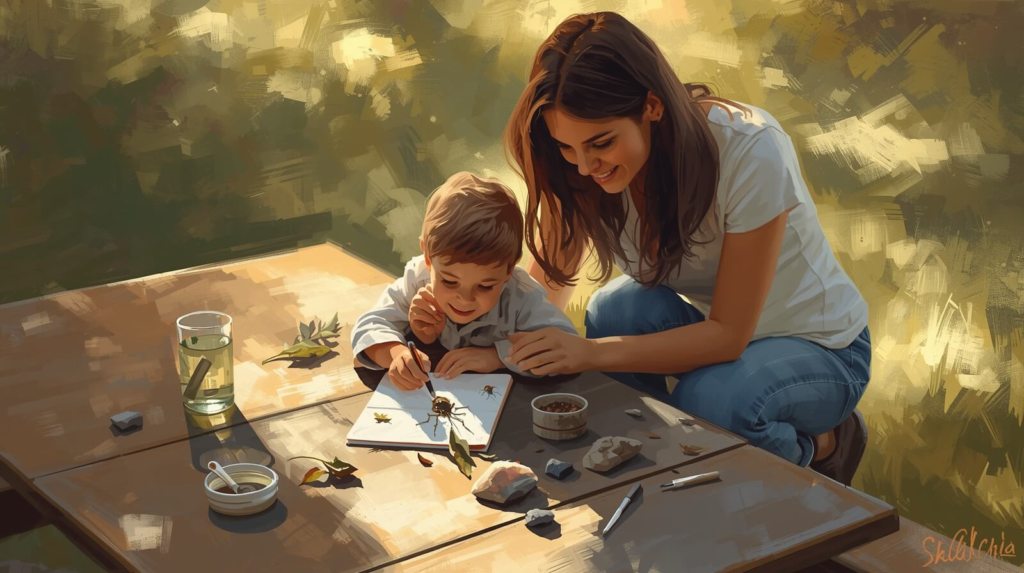
Why Experiential Learning Builds Confident, Resilient Kids
TL;DR (Parental Notes)
Experiential learning helps children build confidence by letting them learn through direct experience instead of passive instruction.
Hands-on learning strengthens problem-solving skills, emotional growth, and real-world understanding.
Children often retain lessons better when they participate, explore, and reflect on what happened.
Everyday activities like outdoor exploration, creative projects, and practical challenges can become meaningful learning opportunities.
Experiential learning supports resilience by helping children face manageable challenges and recover from mistakes.
Parents can use simple, real-life experiences to support development, curiosity, and lifelong learning.
Experiential Learning for Kids: How Hands-On Experiences Help Children Develop Real-World Skills
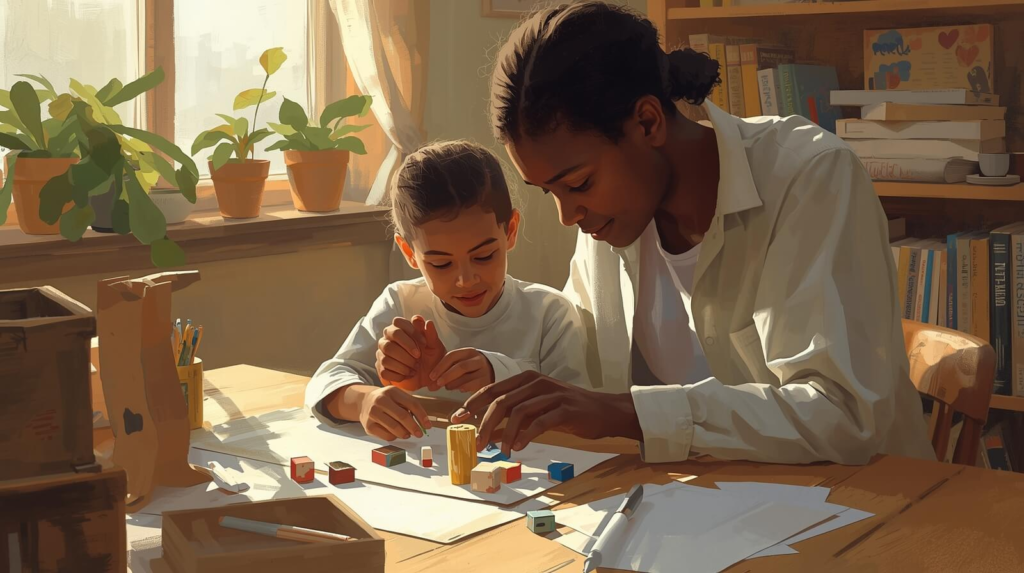
Experiential learning helps children build confidence, resilience, and real-world problem-solving skills by allowing them to learn through direct experience instead of passive instruction. Rather than relying only on lectures, worksheets, or memorization, experiential learning encourages children to participate, explore, and discover how learning works in everyday life. This kind of hands-on learning often makes lessons feel more meaningful, more memorable, and easier to apply.
Many parents notice that children understand concepts more deeply when they can interact with them directly. A child may forget a spoken explanation, but remember the lesson that came from building, experimenting, observing, or solving a problem on their own. Those moments of direct experience help children develop not only knowledge, but also self-trust. They begin to see that they can try, adjust, and learn.
In a time when so much of childhood is shaped by screens, routines, and structured instruction, experiential learning creates space for curiosity, movement, and reflection. It helps children connect learning to the real world while strengthening emotional development, independence, and lifelong confidence.
What Is Experiential Learning? Understanding the Theory Behind Learning Through Experience
TL;DR (Parental Notes)
Children understand ideas more deeply when they participate in activities instead of only hearing explanations.
Exploration and experimentation help kids connect concepts to real situations.
Reflection after an activity strengthens understanding and retention.
Direct participation helps transform experiences into meaningful knowledge.

Experiential learning is a learning approach in which a child gains knowledge and skills through direct experience rather than passive instruction. Instead of only listening to explanations or completing worksheets, children actively participate in hands-on activities that allow them to explore ideas, test solutions, and reflect on what they learn. This process transforms experience into meaningful understanding and helps children connect learning to real-world situations.
Educational psychologist David Kolb helped popularize experiential learning theory, which explains how learning happens through a continuous cycle of experience and reflection. In Kolb’s model, learning begins when a child encounters a concrete experience. The child then reflects on that experience, forms new ideas based on what happened, and applies those ideas to future situations. This pattern is known as the experiential learning cycle.
Because experiential learning relies on participation rather than passive observation, it encourages children to become active learners. When kids interact with the environment, experiment with ideas, and reflect on outcomes, they gain knowledge and skills in ways that strengthen understanding and retention. Experiential learning activities help children see how concepts work in practice rather than simply memorizing information.
Experiential learning also allows children to develop confidence as they navigate challenges and solve problems. Each new experience becomes an opportunity to learn, adjust, and try again, which strengthens both cognitive development and emotional resilience.
Experiential Learning vs Traditional Learning: Why Hands-On Learning Works Better
TL;DR (Parental Notes)
Passive instruction often focuses on memorization rather than real understanding.
Hands-on activities help children connect ideas with real experiences.
Active participation encourages curiosity and deeper thinking.
Practical learning moments tend to stay with children longer than lectures or worksheets.
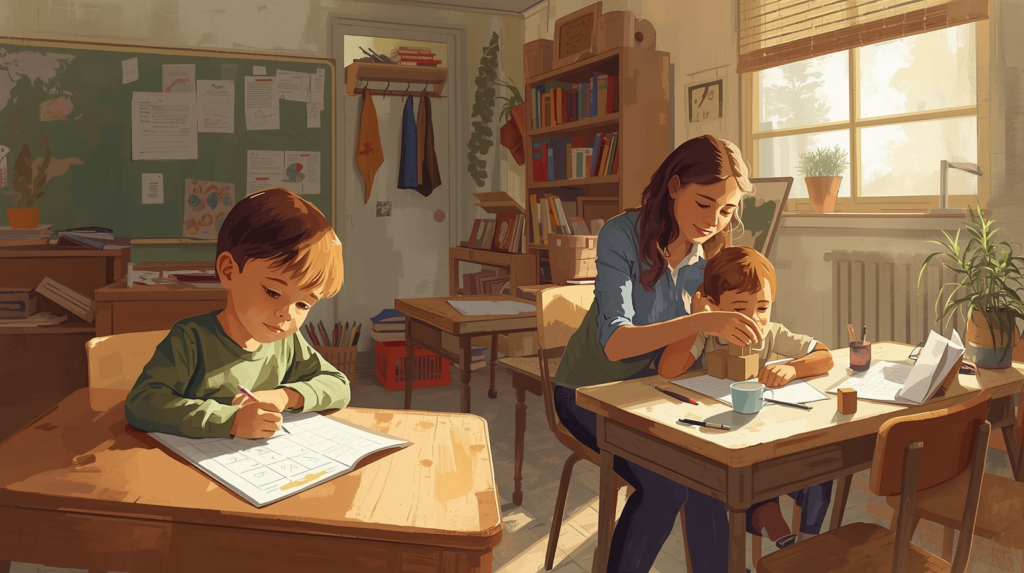
Traditional learning methods often rely on lectures, reading assignments, and worksheets to deliver information. While these approaches can help children memorize facts, they do not always produce real learning or long-term understanding. In many traditional learning environments, the child receives information but has limited opportunity to explore ideas through direct experience.
Experiential learning takes a different approach. Instead of focusing primarily on passive learning methods, experiential learning encourages children to engage directly with concepts through hands-on learning and meaningful activities. When children interact with materials, environments, and real situations, they begin to understand how knowledge works beyond the classroom.
For example, a worksheet might explain how plants grow, but planting seeds and watching them develop over time allows a child to observe the learning process firsthand. This type of hands-on experience strengthens understanding because children connect ideas to real events rather than abstract explanations.
Experiential learning works particularly well because it combines curiosity, experimentation, and reflection. When children test ideas, observe results, and adjust their approach, they develop stronger learning outcomes and deeper understanding. Instead of memorizing information temporarily, they build knowledge that can be applied to new situations.
Over time, repeated experiential learning activities help children become confident learners who are comfortable exploring new challenges and discovering solutions through experience.
Benefits of Experiential Learning for Children
TL;DR (Parental Notes)
Exploration-based learning strengthens confidence and independence.
Real challenges help children develop resilience and persistence.
Hands-on problem solving builds critical thinking skills.
Curiosity and creativity grow when children are allowed to explore ideas directly.
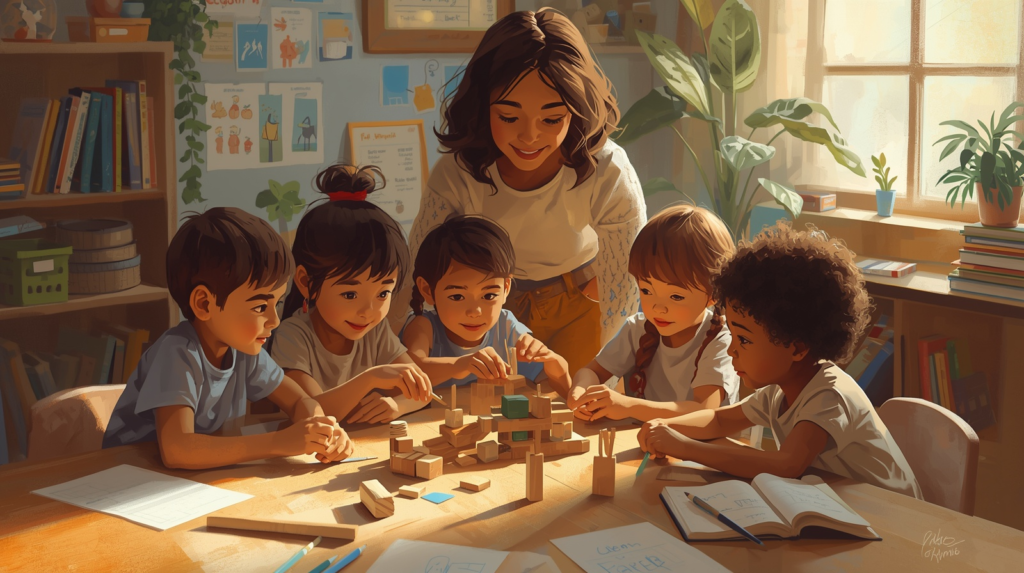
One of the most important benefits of experiential learning is the way it supports healthy child development. When children participate in hands-on learning and real experiences, they gain knowledge and skills that extend beyond memorizing information. Experiential learning helps children connect ideas to practical situations, which strengthens understanding and long-term retention.
Experiential learning also improves problem-solving skills. When a child encounters a challenge during an activity—whether building something, exploring a new environment, or experimenting with an idea—they must think critically and adapt their approach. This process helps children develop the confidence to solve problems independently.
Another important benefit is the impact on emotional development. Experiential learning allows children to experience success, failure, and adjustment in safe environments. These experiences help children develop resilience because they learn that mistakes are part of the learning process. Over time, repeated experiences strengthen emotional regulation and persistence.
Hands-on learning also encourages curiosity and creativity. When children are allowed to explore ideas directly, they begin asking questions, testing possibilities, and discovering solutions on their own. This active participation helps children build both knowledge and skills that support lifelong learning.
Experiential learning helps children see themselves as capable learners who can explore challenges, adapt to new situations, and grow through experience.
Examples of Experiential Learning Activities for Kids (Hands-On Learning Ideas)
TL;DR (Parental Notes)
Everyday activities can become powerful learning opportunities.
Nature exploration encourages observation and curiosity.
Science experiments and creative building projects support discovery.
Collaborative activities help children learn through shared experiences.

Many parents assume experiential learning requires complicated programs or specialized tools, but in reality experiential learning activities can happen through simple everyday experiences. When children participate in activities that allow them to explore, observe, and reflect, they naturally learn through direct experience.
One of the easiest ways to introduce experiential learning is through hands-on activities that encourage curiosity and experimentation. Science experiments, building projects, and creative exploration allow children to interact with ideas rather than simply reading about them. These types of experiential activities help children connect learning to real-world situations.
Outdoor exploration is another powerful example of experiential learning. Nature walks, scavenger hunts, and environmental observation help children develop awareness of their surroundings while strengthening curiosity and observation skills. These outdoor experiences allow children to learn through movement, discovery, and direct interaction with the environment.
Parents can also introduce experiential learning through field trips that connect learning to real places and events. Visiting museums, historical sites, science centers, or community locations allows children to experience concepts beyond books or worksheets. These experiences often create strong learning memories because children engage emotionally and intellectually with what they observe.
Group activities can also strengthen experiential learning by encouraging collaboration and discussion. When children work together to solve problems, build projects, or explore new ideas, they develop communication skills while gaining new knowledge through shared experience.
These everyday examples of experiential learning activities show that meaningful learning often happens when children are encouraged to explore the world around them.
How Parents Can Start Using Experiential Learning Activities at Home
TL;DR (Parental Notes)
Encourage curiosity by letting children explore ideas and experiment.
Everyday activities like cooking or gardening can become learning moments.
Allow room for mistakes so children learn through trial and reflection.
Small experiences often teach the most meaningful lessons.

Parents do not need complicated programs to begin using experiential learning at home. Many of the most effective learning opportunities come from everyday activities where children are encouraged to explore ideas, test solutions, and reflect on what they discover. When parents create environments that support curiosity and exploration, children naturally develop independence and confidence.
One important step is recognizing that children learn in different ways. Some children prefer building and creating, while others learn through observation, conversation, or experimentation. Adapting activities to different learning styles helps ensure that each child can engage with experiences in ways that feel meaningful and motivating.
Parents can also support development by allowing space for experimentation. When children are encouraged to try ideas, make adjustments, and reflect on outcomes, they begin to see mistakes as part of the learning process. This type of exploration encourages resilience and builds problem-solving ability over time.
Small projects and everyday experiences can easily become powerful teaching moments. Gardening, cooking, exploring nature, and building simple projects all provide opportunities for children to connect knowledge with action. These experiences help transform ordinary activities into meaningful discovery.
Over time, these types of experiences help children develop curiosity, independence, and a mindset that supports lifelong learning. When learning feels engaging and enjoyable, children are more likely to continue exploring new ideas as they grow.
Experiential Learning Theory: How Kolb’s Learning Methods Create Real Learning Outcomes
TL;DR (Parental Notes)
Learning becomes stronger when children experience, reflect, and apply ideas.
Exploration helps turn activities into a deeper understanding.
Hands-on discovery encourages critical thinking and curiosity.
Repeating this cycle builds lasting knowledge and confidence.

Experiential learning theory, developed by David Kolb, explains how meaningful understanding develops through cycles of experience, reflection, and experimentation. Kolb’s model shows that real learning occurs when students actively engage with ideas rather than simply receiving information through traditional learning methods.
According to Kolb, effective experiential learning follows a cycle that begins with a concrete experience. Students interact with an activity, reflect on what happened, develop new ideas from the experience, and then apply those ideas to future situations. This process helps learners transform experience into deeper understanding and stronger learning outcomes.
One of the reasons experiential learning works so well is the power of hands-on learning. When students interact directly with environments, projects, or real-world situations, they are more likely to build critical thinking and problem-solving abilities. Experiential learning activities for students often include project-based learning, collaborative exploration, and practical challenges that encourage reflection and discovery.
Another advantage is flexibility. Experiential learning can be adapted to different learning environments and developmental stages. Whether through outdoor exploration, creative projects, or collaborative challenges, experiential learning offers opportunities for children to explore ideas actively rather than passively absorbing information.
Because experiential learning allows students to explore ideas through direct participation, it encourages curiosity and deeper engagement. Over time, these experiences prepare students to learn independently and apply knowledge in new situations.
Frequently Asked Questions About Experiential Learning
What are some simple experiential learning activities parents can try?
Many everyday activities can become powerful experiential learning activities when children participate directly. Gardening, cooking, building projects, nature exploration, and visiting museums all allow children to learn through direct experience rather than passive instruction.
These activities encourage curiosity and experimentation while helping children build knowledge and skills in meaningful ways. Simple activities often make learning feel engaging and enjoyable, especially when children are encouraged to explore ideas and reflect on what they observe.
How does experiential learning support child development?
Experiential learning supports child development by allowing children to practice problem solving, reflection, and decision-making in real situations. When children interact with environments and challenges directly, they build social and emotional skills along with academic understanding.
These experiences help children gain a stronger sense of ownership over their learning. Over time, this process strengthens confidence and helps children understand the value of exploration and discovery.
Is experiential learning useful for younger children?
Yes. Experiential learning is particularly valuable during early childhood because younger children learn best through exploration and interaction. Activities that encourage movement, creativity, and observation help younger children develop foundational thinking skills.
Hands-on activities during early childhood allow children to explore ideas in ways that support cognitive growth while preparing kids for more advanced learning later in school.
How does experiential learning improve academic outcomes?
Experiential learning can strengthen academic achievement because children are able to connect ideas with real experiences. When students actively participate in projects, experiments, or exploration, they gain deeper understanding of the material.
This process helps students actively engage with information instead of memorizing it temporarily. As a result, many children retain knowledge longer and develop stronger learning outcomes.
Can experiential learning work for different learning styles?
Yes. One of the advantages of experiential learning is that it can be adapted to different learning styles. Some children learn best by building or creating, while others learn through observation, conversation, or experimentation.
Because experiential learning encourages exploration and reflection, it allows children of all ages to engage with information in ways that feel natural and motivating.
Why Experiential Learning Works: How Hands-On Experiences Build Skills, Critical Thinking, and Lifelong Learning
Experiential learning helps children develop confidence, resilience, and curiosity by allowing them to explore ideas through hands-on experiences rather than passive instruction. When children engage directly with activities, they experience the transformation of experience into knowledge, which strengthens understanding and retention.
Educational research, including the theory of experiential learning developed by David Kolb, shows that learning becomes more effective when children move through cycles of experience, reflection, and experimentation. This process encourages children to think critically, adapt to challenges, and build practical knowledge that applies to real life.
Experiential learning also helps build social skills, independence, and curiosity. When children are encouraged to explore ideas, test solutions, and reflect on outcomes, they begin to see learning as an active process rather than something imposed from outside. These experiences support lifelong learning and help prepare children for future challenges.
Parents do not need complicated programs to support experiential learning. Everyday activities such as outdoor exploration, creative projects, and community experiences can become powerful opportunities for discovery. When families create environments where children are encouraged to explore and reflect, learning becomes both meaningful and enjoyable.
At Lafleur Media, our mission is to help families discover practical, research-informed ways to support learning, growth, and connection. By encouraging exploration, curiosity, and hands-on discovery, experiential learning helps children develop the confidence and resilience they need to navigate an ever-changing world.
Disclaimer:
This content is provided for educational and informational purposes as part of Lafleur Media’s mission to make outdoor experiences more accessible and inclusive. It is not a substitute for professional guidance. Always consider your personal abilities, safety conditions, and local regulations before participating in outdoor activities.